

Materials
Materials
What is Japanese synthetic leather?
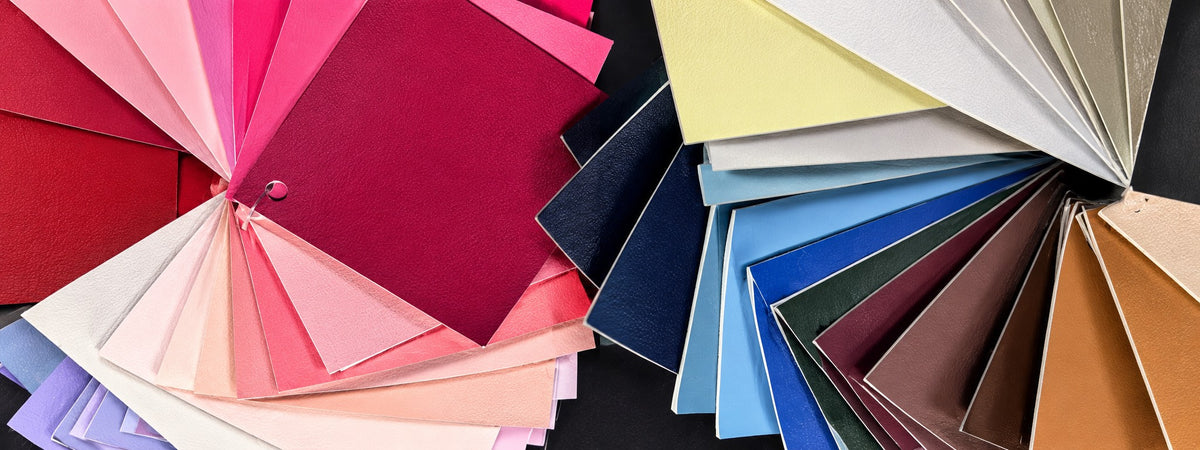
Japanese synthetic leather is a highly elaborate material that has been used for many years in the manufacture of randoseru in Japan.
Although it remains little known in Europe, it was specially developed to combine resistance, lightness and ease of maintenance essential qualities for a school bag used every day.
It is not a simple imitation of natural leather. It is a functional material, designed using advanced Japanese manufacturing techniques, offering a refined appearance combined with reliable everyday performance.
Our Japanese synthetic leather is entirely developed and manufactured in Izumo, Shimane Prefecture a region considered sacred since ancient times, known in particular for the Izumo Taisha shrine, one of the most revered in Japan.
Originally, our randoseru were made of cowhide: a noble material, but heavy and sensitive to humidity.
Over time, we have evolved our materials towards this high-performance Japanese synthetic leather lighter, more water-resistant and more durable while retaining the appearance and feel of natural leather.
This choice also reflects our commitment to reducing our reliance on animal leather, in favor of biodiversity preservation.
Its unique characteristics
Lightweight
Japanese synthetic leather is lighter than many traditional leathers, which helps reduce the weight carried by the child every day.
Resistant
This material is designed to withstand daily use. It resists scratches, rubbing and deformation, while retaining its elegant appearance over time.
Water-resistant protection
The surface is designed to repel light rain and everyday splashes. Water beads on the surface of the material rather than being immediately absorbed, making it easy to wipe off.
However, the material is water-resistant, not completely waterproof: it should not remain wet for a prolonged period.

Water-resistant protection: light rain beads on the surface and can be easily wiped off.
Easy to maintain
Unlike natural leather, it does not require regular polishing or application of leather cream.
Most everyday dirt can be removed with a soft cloth or a slightly damp sponge.
A regular and refined finish
Japanese synthetic leather offers a regular grain, stable color and a smooth finish.
These qualities allow the randoseru to maintain a neat and refined appearance throughout its daily use.

For daily maintenance, gently wipe with a soft, clean sponge or cloth, slightly dampened and then thoroughly wrung out.
Daily care
Remove surface dust with a soft, clean, dry cloth.
For light stains, dampen a soft cloth or sponge, then wring it out thoroughly. Gently wipe the surface without rubbing or pressing excessively.
Finish by removing any remaining moisture with a dry cloth.
If the randoseru gets wet
Gently blot the moisture with a soft, dry cloth, as soon as possible.
Open the flap and let the randoseru dry naturally, in a well-ventilated and shaded area.
Do not use a hairdryer, radiator, or any other direct heat source. Avoid drying the bag in direct sunlight: excessive heat or exposure can alter its color, surface, or shape.
For more stubborn stains
Apply a small amount of mild, diluted detergent to a soft cloth. Test it first on an inconspicuous area.
Gently wipe the affected area, then remove the detergent with another clean cloth, dampened and then thoroughly wrung out. Blot to dry, then let the randoseru air dry in the shade.
Products and methods to avoid
- Alcohol or disinfectant spray
- Solvents such as benzine or white spirit
- Bleach
- Leather cream or polish
- Hard brushes or abrasive sponges
- Wipes containing alcohol or chemicals
- Washing machine or complete immersion in water
- Hair dryers, radiators, or any direct heat source
Important: these products or methods can cause discoloration, alteration of texture, surface damage, or deformation of the bag.

Store the bag upright, in a cool, dry, and well-ventilated place, away from direct sunlight, heat, and humidity.
Storage
Before storing the randoseru, make sure it is clean and perfectly dry.
Place soft paper or fabric inside to help it maintain its shape. Store it upright, in a cool, dry, and well-ventilated place, away from direct sunlight, heat, and humidity.
Avoid storing it in an airtight plastic bag: a breathable cotton cover is preferable.